Cottages and Bungalows
2027 Brand Ambassador
Heirlooms in Bloom
How to grow paperwhites in your grandmother's silver, collected crystal, and vintage glassware
Around Veterans Day every year, I gather paperwhite bulbs and start getting ready for the holidays. Potting them is one of my favorite little rituals of the season. The green shoots come up first, and the white blooms open right around Christmas.
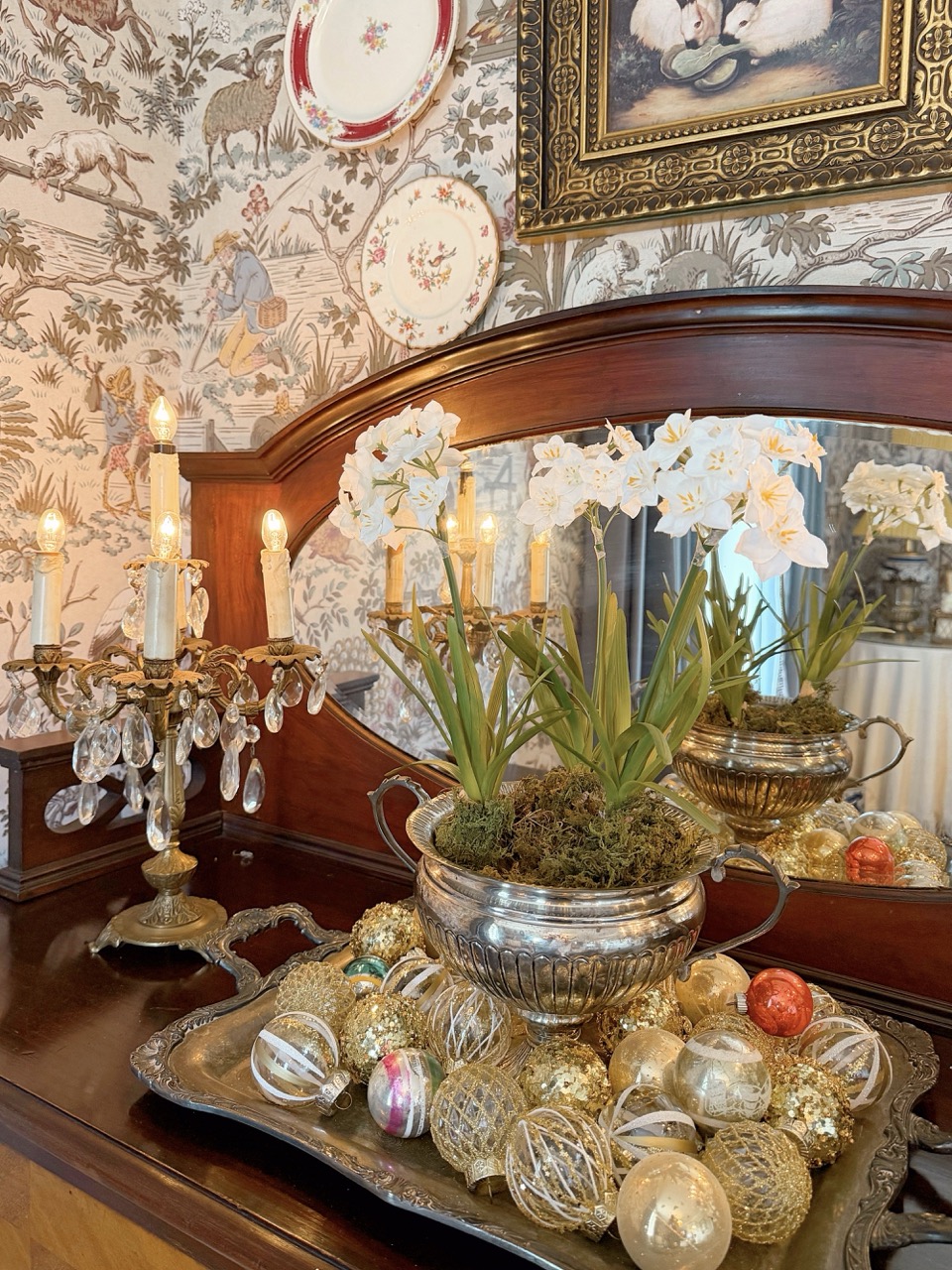
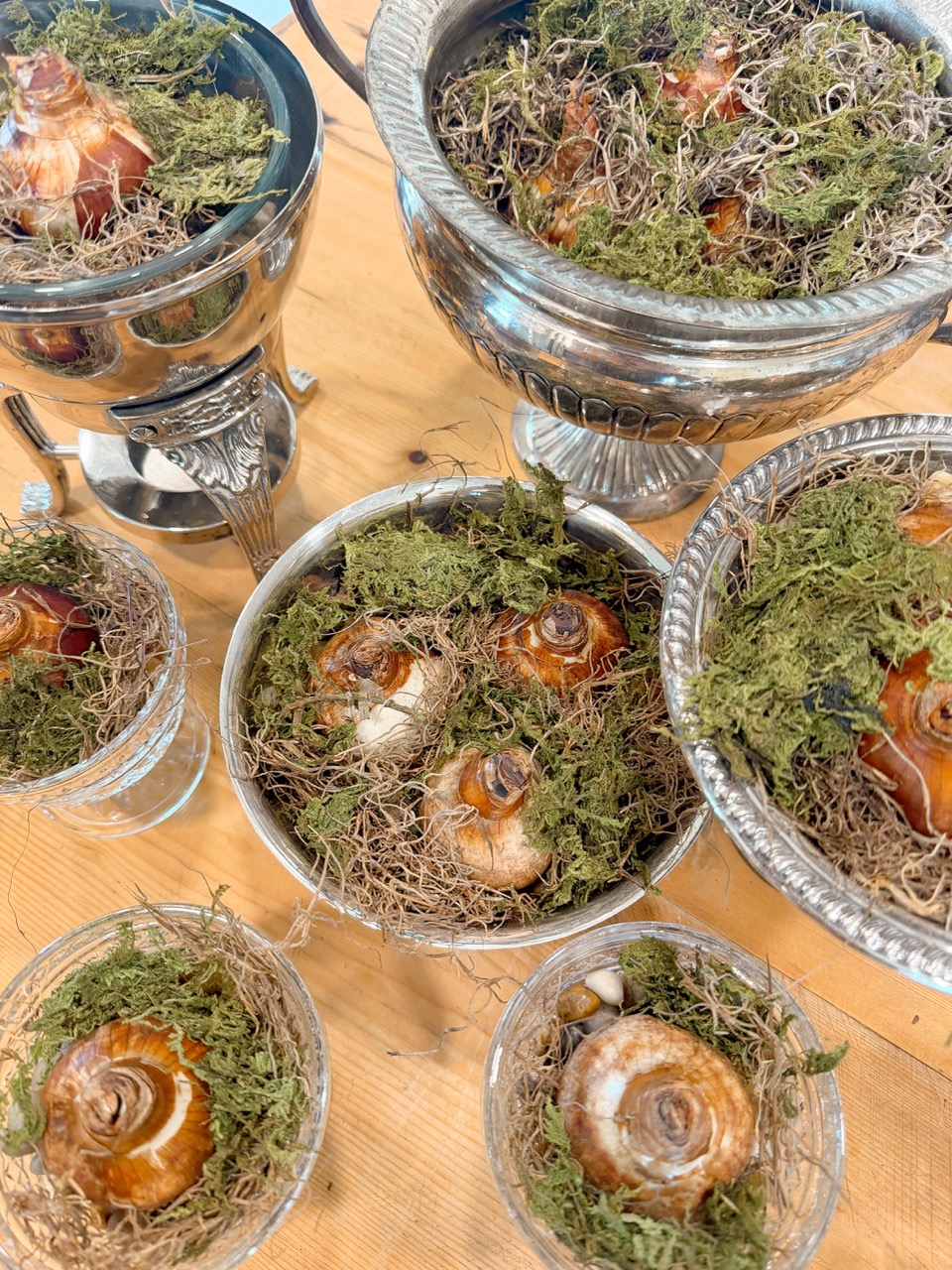
I like to skip the flowerpots and go to my kitchen cupboards instead. My grandmother's silver serving pieces, her crystal bowls, and her sherbet cups make the best containers for my paperwhites each year. Each vessel already holds a sentimental story, and this gives it a new job in the season.
Most of the serving pieces we inherit spend more time in cabinets than at our celebrations. Planting bulbs in them puts them back on display, in use in our homes and gives you a tradition to repeat each year.
Paperwhites are easy to grow indoors because they don't need soil. A layer of pebbles, a little water, and a bright spot in the house are all it takes. Depending on your climate and conditions, they usually bloom in four to six weeks.
What You'll Need
- Paperwhite bulbs
- Silver serving pieces, crystal bowls, or vintage glassware
- Small decorative pebbles or gravel
- Preserved green moss or Spanish moss
- Water
- A watertight liner for especially valuable pieces, if you like
- Ribbon and gift tags for giftable bulbs, optional
1. Choose a Vessel You Love
Start with what you already own. A silver serving bowl, a crystal compote, a vintage tureen that’s lost its lid, or a footed glass bowl can all become a paperwhite garden.
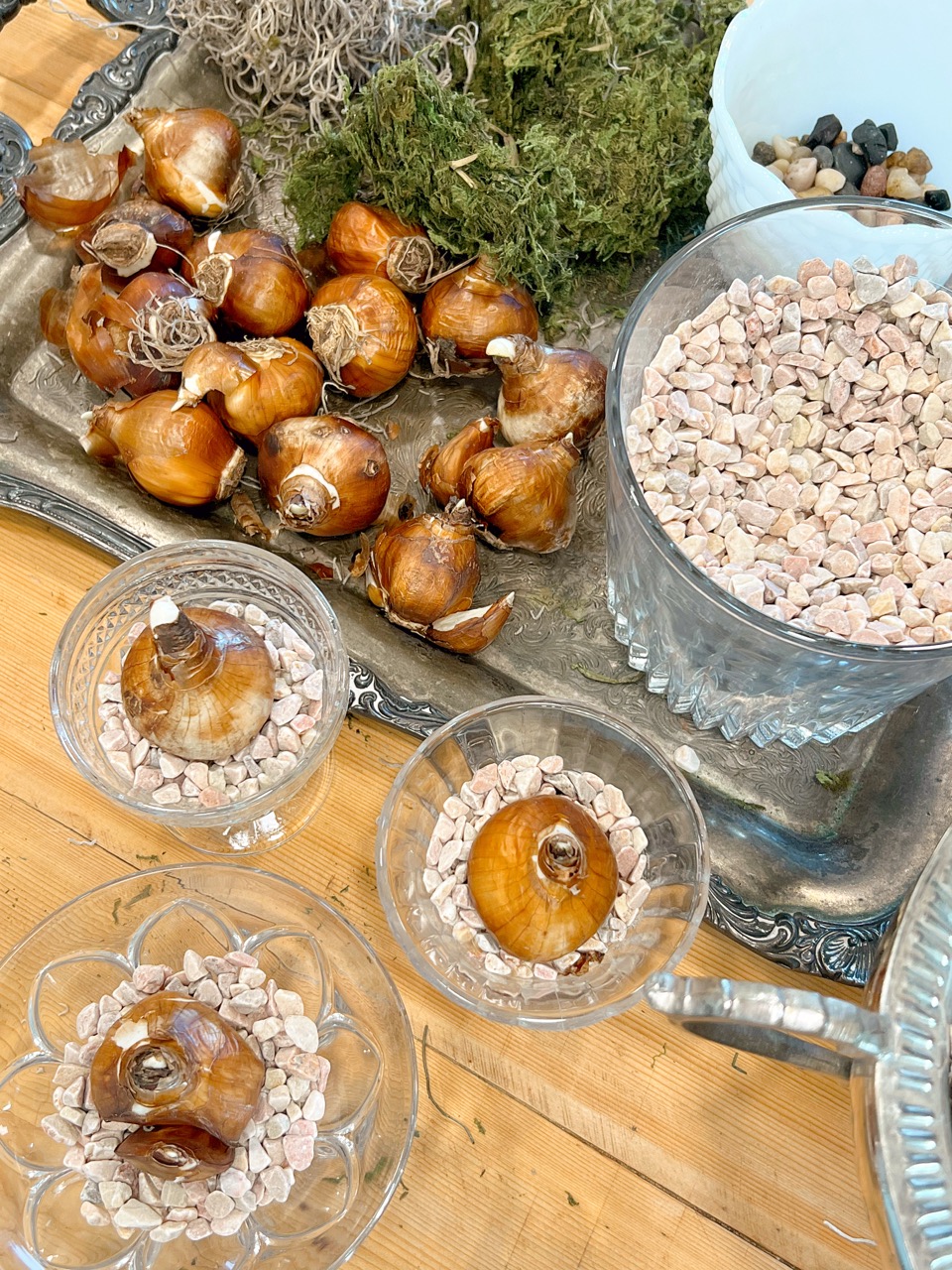
Wide, shallow pieces work best because you can group several bulbs together. Sherbet cups, punch cups and dessert dishes are just right for a single bulb.
If a piece is especially valuable or delicate, set a watertight glass or plastic liner inside it first. You still get to enjoy the piece, and the surface stays protected from standing water. Wipe up any spills right away, especially on silver.
2. Create Your Pebble Base
Add about two inches of clean pebbles to the bottom (an inch works for small dishes like the sherbet cups). They hold the bulbs steady and give the roots a place to grow.
With clear crystal or glass, the pebbles are part of the look. River rocks feel earthy. Pale gravel keeps the attention on the green shoots and white flowers.
3. Neste in the Bulbs
Place each bulb on the pebbles with the pointed end up. The bulb will have a rough, flat surface on the bottom where the roots will sprout from. Some bulbs may already be sprouting roots when you purchase them. Paperwhites can sit fairly close together, and that makes a fuller arrangement when they bloom.
Add more pebbles around them until they feel secure, and leave the top part of each bulb showing. You want them supported, not buried.
A larger silver bowl can hold a generous group. One bulb is plenty for a sherbet cup or small crystal dish.
4. Add the Water
Pour in water until it sits just at the base of the bulbs.. The bulbs themselves shouldn't sit in water because constant moisture can make them rot. The roots will grow down to find the water, so you really only need about an eight of an inch of the bulb touching the water..
Check the water every few days and top it off as needed. If the moss hides your pebbles, lift a small section so you can check the water line.
5. Tuck In the Moss
Tuck preserved green moss or dried Spanish moss around the bulbs. It softens the arrangement and hides the pebbles. Keep the pointed tops uncovered so the new growth has room to come up.
Moss also makes a newly planted bowl look finished while you wait for the first green shoots.
6. Find a Bright Spot
Start by letting your bulbs sit in a cool dark area until you see the first peeks of the shoots. Move your planted bulbs to a cool spot with bright, indirect light. Once they start growing, turn the vessel now and then so the stems grow evenly.
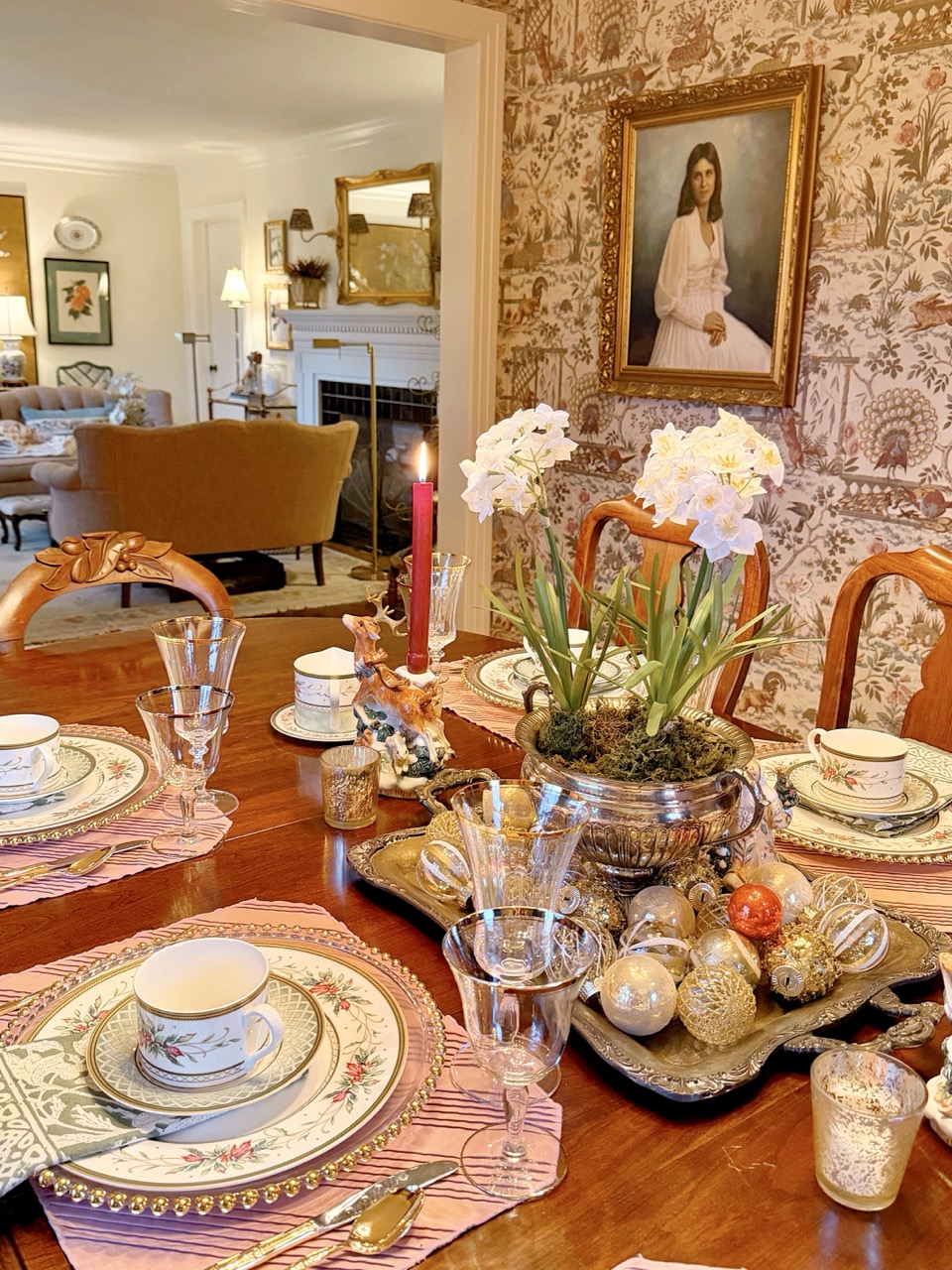
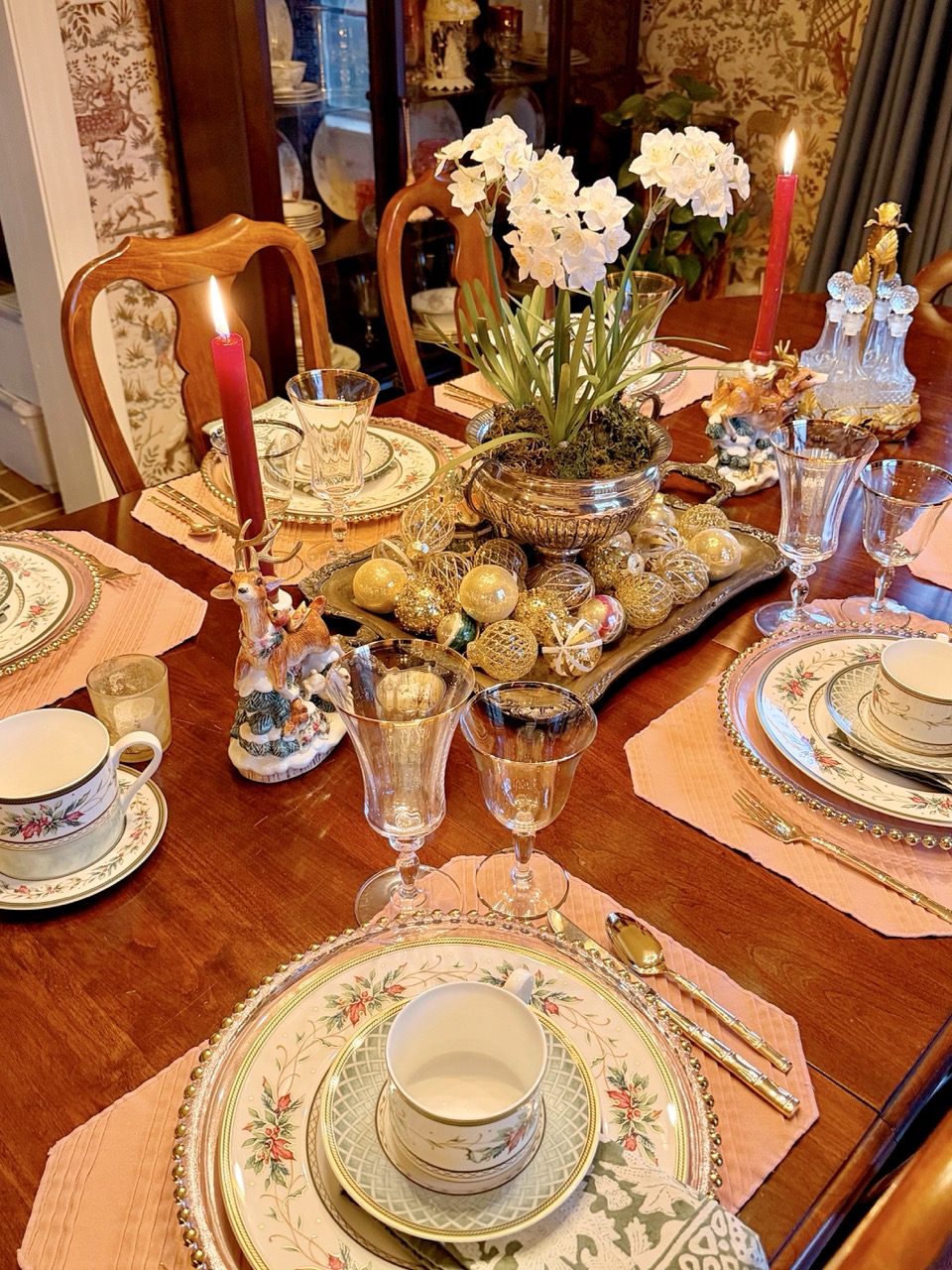
When the flowers open, bring them to the dining table, entryway, sideboard, or mantel. A silver bowl of white paperwhites looks lovely with candlelight and old ornaments around it.
Often the shoots can get “leggy,” so you may need to tie them together with a festive ribbon to help support them. Some choose water their bulbs with diluted vodka (1 part vodka to 2 parts water) to stunt their growth. This does help them have sturdier shoots that don’t flop over as easily. But, I kind of love the whimsical look of the blooms when they get a little wild.
A note for pet owners: paperwhite bulbs are toxic to dogs and cats, so keep them out of reach.
A Small Gift
One paperwhite bulb in a vintage sherbet or punch cup makes a thoughtful gift for a neighbor, a hostess, or a friend.
Tie on a ribbon or handwritten tag with a short care note: “Keep the water just below the base of the bulb and set it in bright, indirect light. Watch for blooms in about four to six weeks.”
Sherbet cups are easy to find at antique stores, estate sales, and thrift shops. After the paperwhite finishes blooming, the recipient can wash the glass and use it in her own home. And, since they are in the narcissus (daffodil) family, they can even plant the bulb in their yard to enjoy blooms year after year.
When You Want It Finished Now
For an arrangement that looks complete right away, use good-quality faux paperwhites. Set the faux bulbs in a protected vessel and cover the base with preserved moss.
This works well for a centerpiece that needs to be ready on a certain date. It's also a good choice if the fragrance of real paperwhites bothers you or if you have sensitive guests. It’s also a great option if you're nervous about water near a treasured piece of silver.
Don't Save It for Someday
Heirlooms have a way of waiting. We say we'll use the silver when the occasion is big enough, or when the house is ready, or when life slows down. Someday rarely comes, and the pieces stay in the cabinet.
I've come to believe a piece holds more meaning when we use it. Each time my grandmother's silver comes out, there's another memory attached to it. Someone helps set the table, someone asks where it came from, and the story gets told again.
That repetition is how meaning gets passed on. The people we love remember the bowl on the table at Christmas and the person who filled it. Do that year after year, and the piece becomes part of their Christmas, too.
So take the good things out this year. Plant the bulbs, set the table, and let the silver do what it was made for. The paperwhites will fade, and next November you can do it all again.