A 1932 Virginia home gets a new lease on life with vintage color and pattern.
People talk about seeing a house with “good bones,” but what does that really mean? “When I found the house, it had been abandoned for 10 years,” says homeowner and designer Amy Whyte of her Virginia home. “There were holes in the roof. It was infested with a colony of snakes. But when I walked in, I could see the bones, the original mantel and French doors and the original footprint with a symmetrical layout I love.”
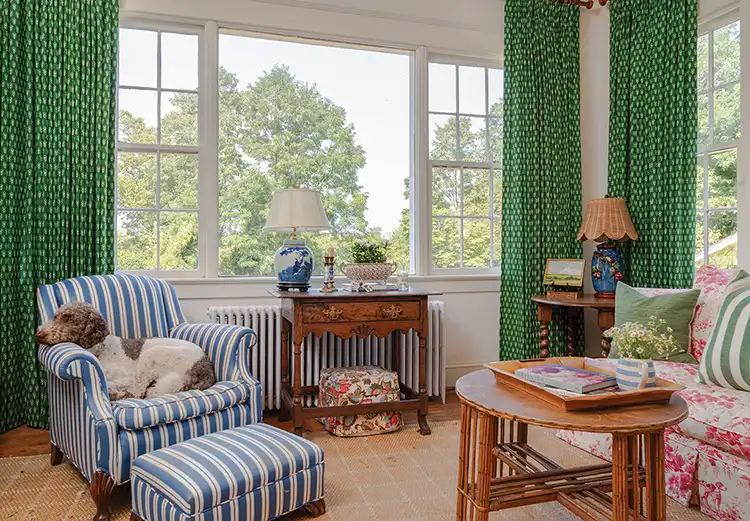
Secure in her design knowledge and DIY skills from revamping several other homes in the past, Amy made the leap and bought the house. After 12 years of work, the house has become a haven of vintage textiles, saturated color and a cozy, collected vibe.
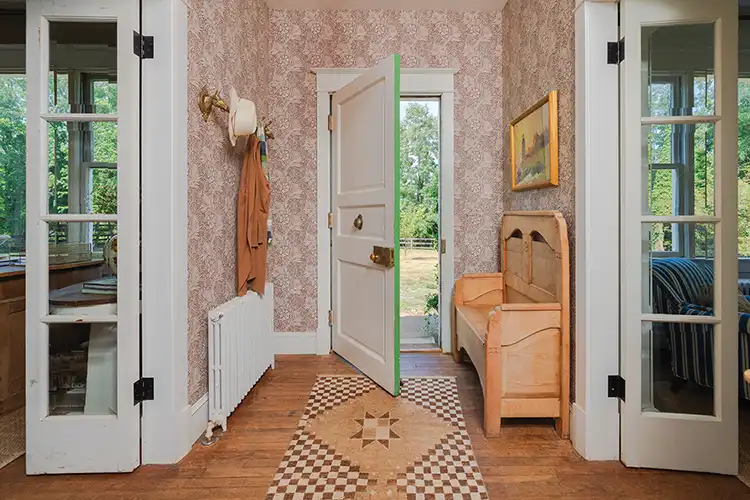
Restoration
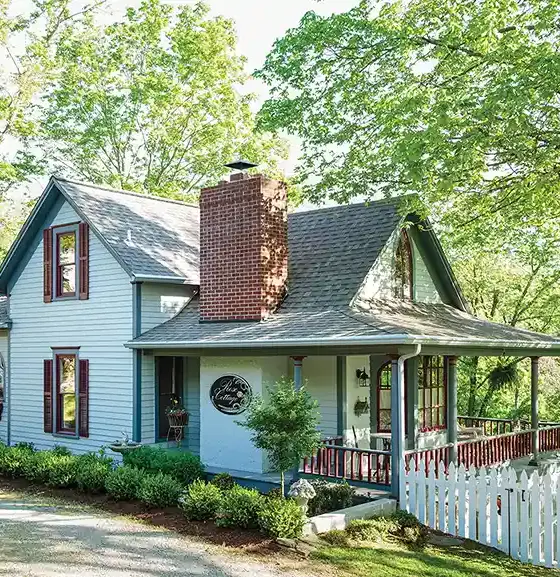
The house was a gem—it had just been forgotten. “It was originally part of a larger estate, the farmhouse to a manor, and the manor house is now a wedding venue,” Amy says. “We have an acre and a half secluded down a gravel road. Development built up around the house, but it fell into disrepair.” Because of the layout, Amy thinks maybe the house was originally a bunk house. “It has a center design with a great room and then wings off to the sides,” she says. “Each bedroom has its own bathroom.”
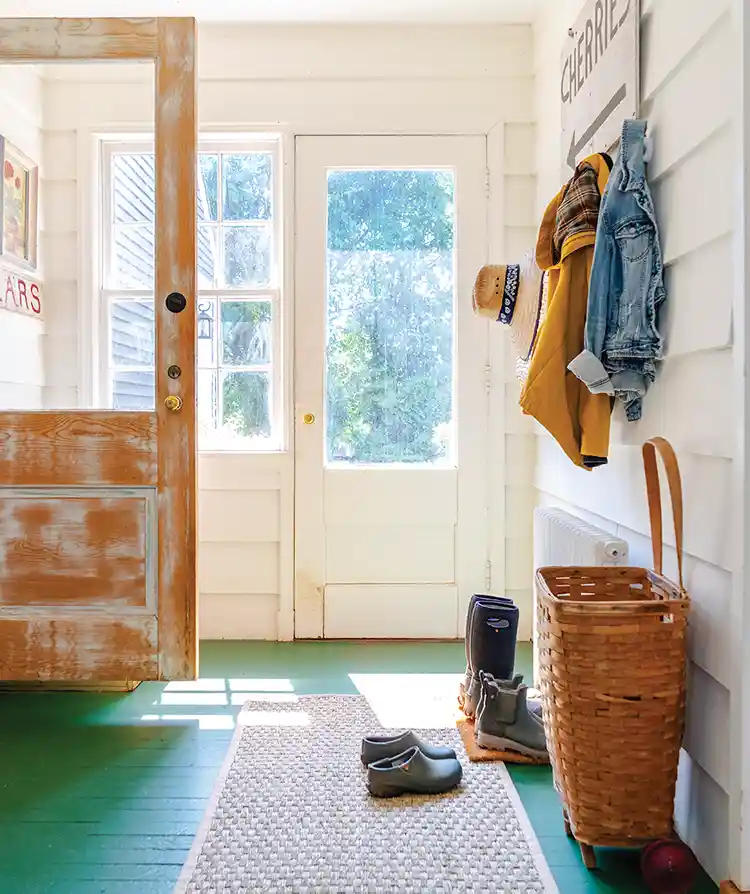
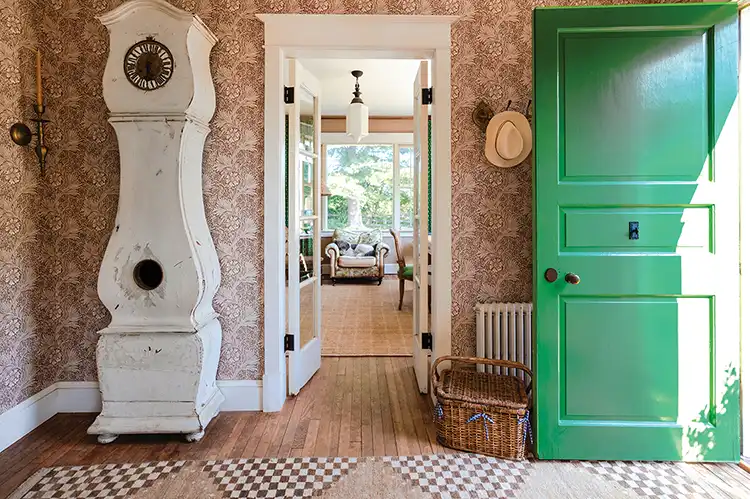
After Amy made the purchase, the first priority was to get the house structurally habitable. “We fixed the roof and got all new electrical, wiring and plumbing,” she says. There were a lot of missing pieces too, like interior doors. “It had been gutted by someone who had wanted to put it back together,”
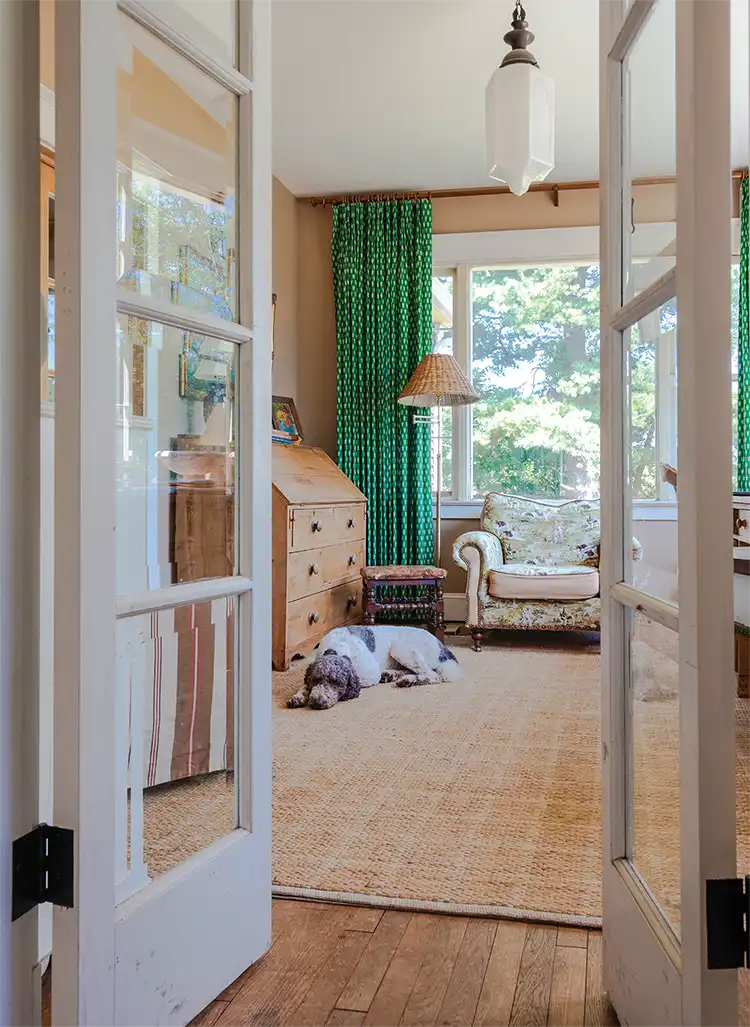
Amy says, but that previous attempt hadn’t gotten very far, so Amy set off to fill in the cracks herself. “I scoured old doors up and down the East Coast,” she says. She was able to fill in some of the architectural details with elements from the same general era as her home was built, 1932. “We did all the work ourselves,” she says of her and her son, Sam. “I’ve fixed up and moved and sold several houses, so I really enjoy it.”
Decoration
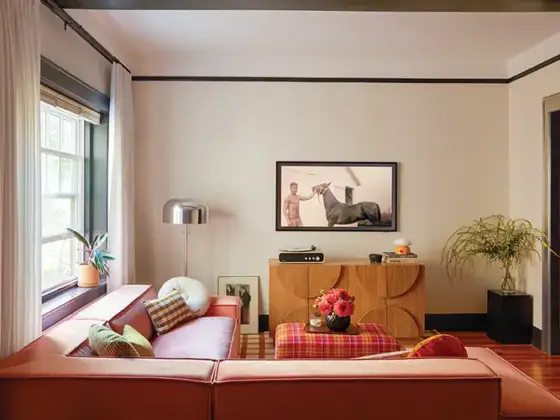
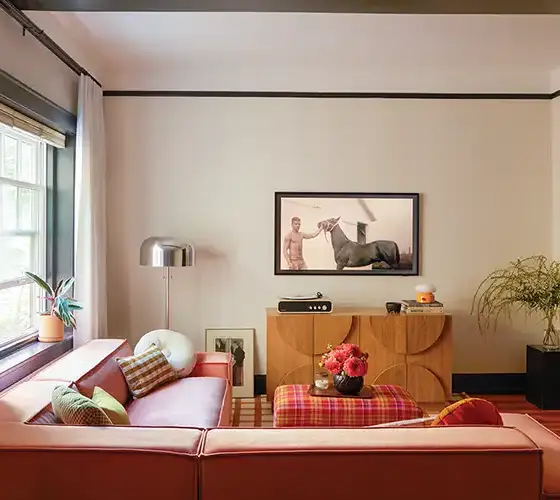
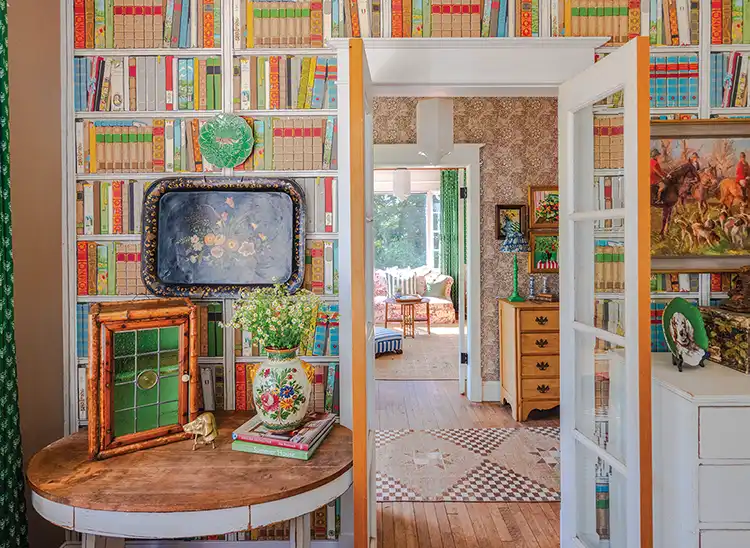
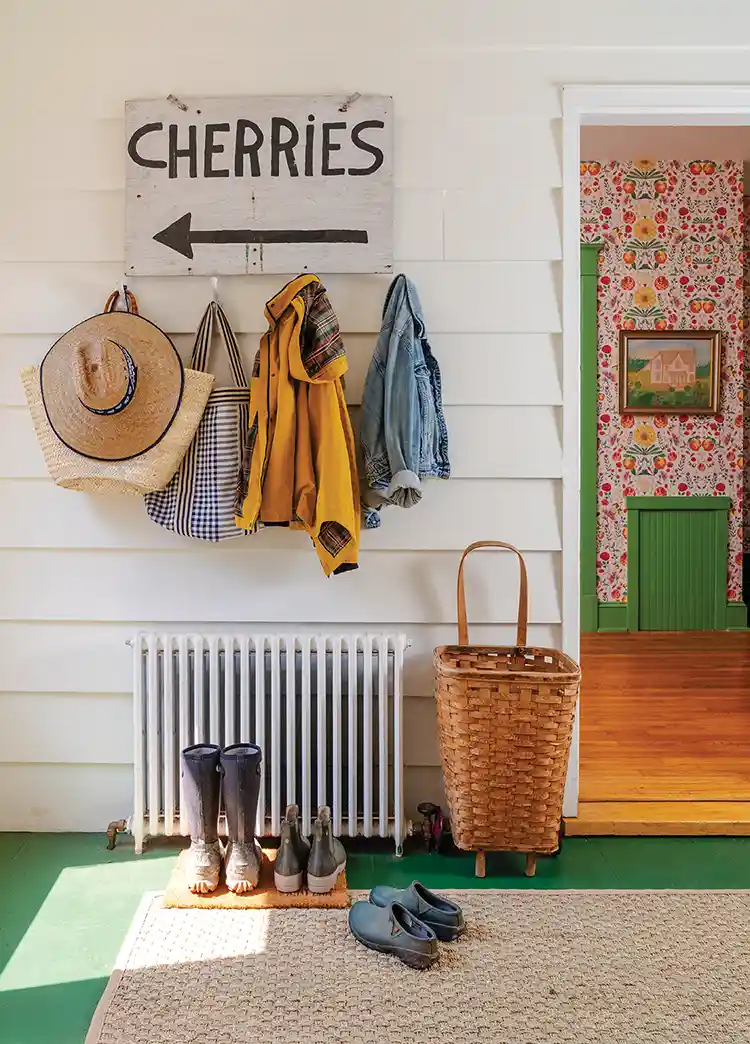
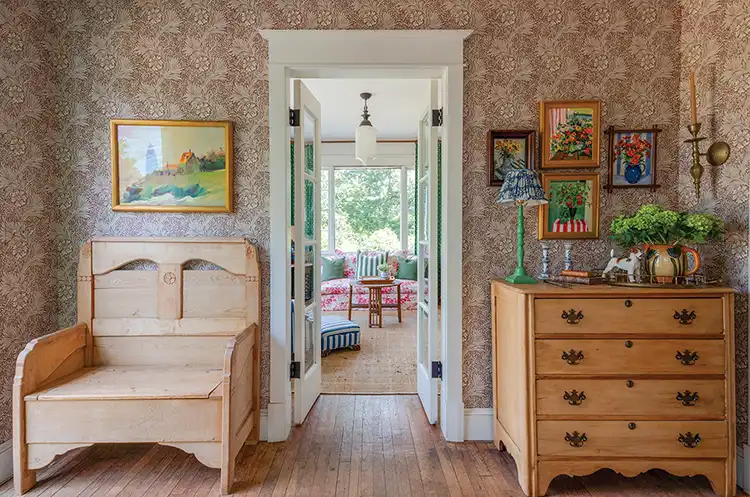
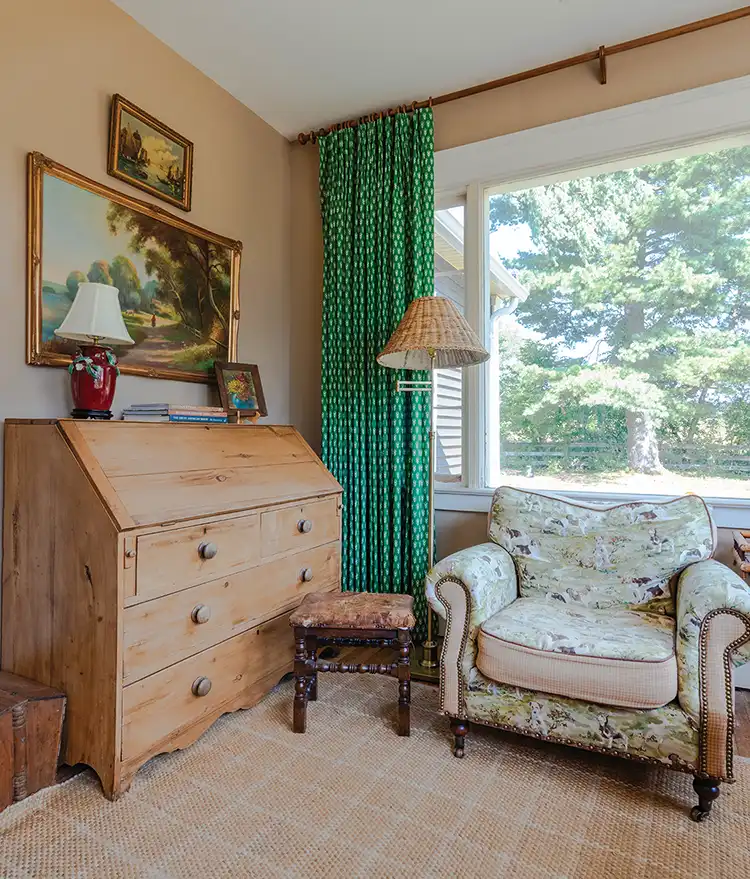
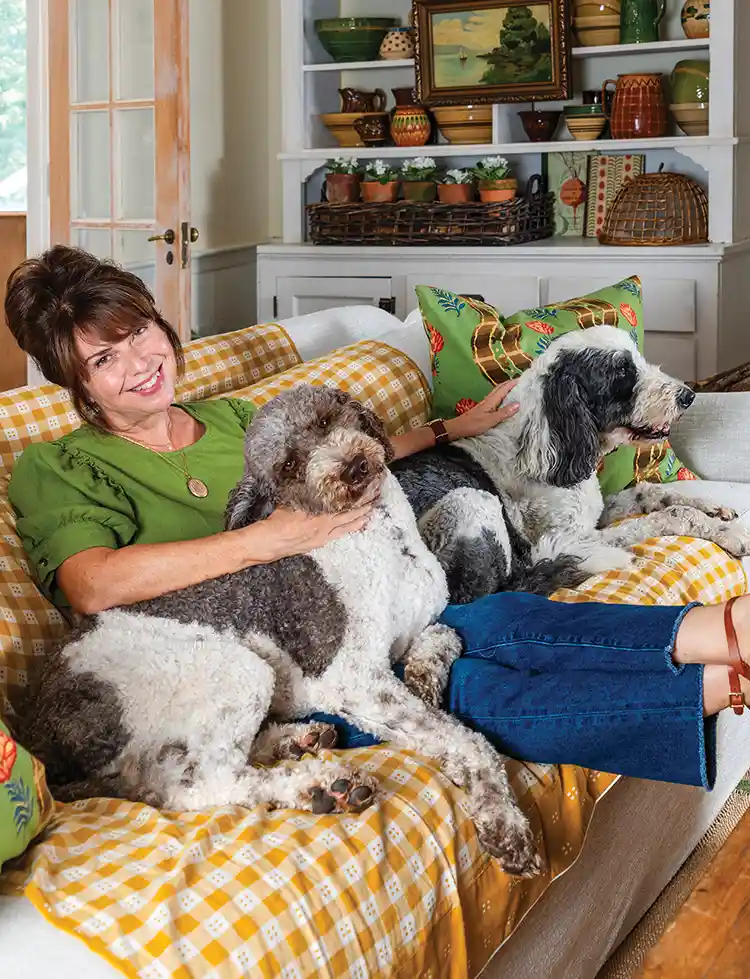
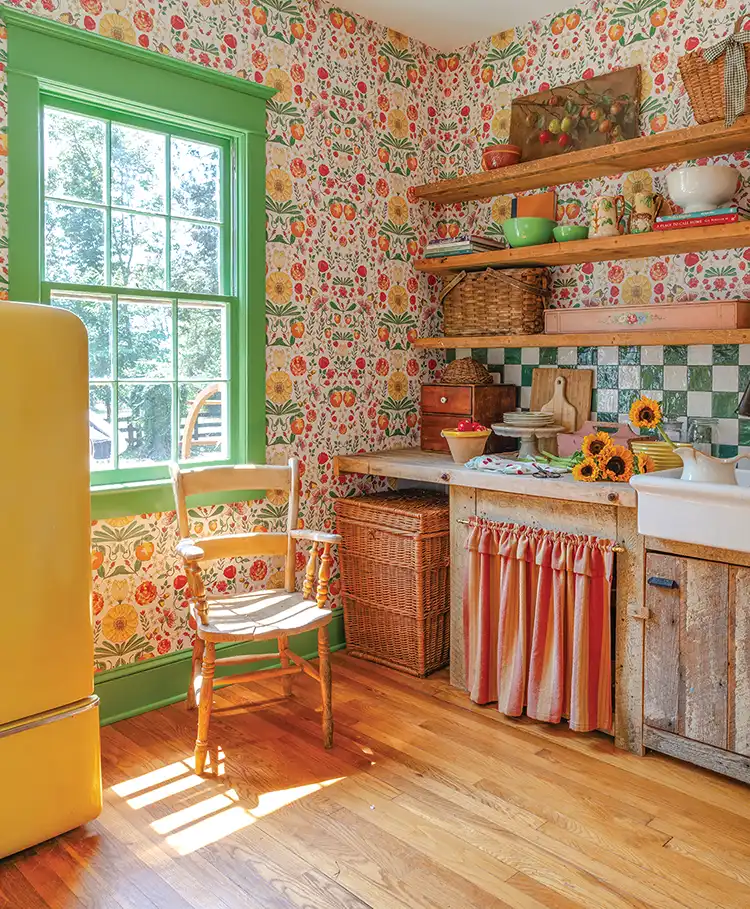
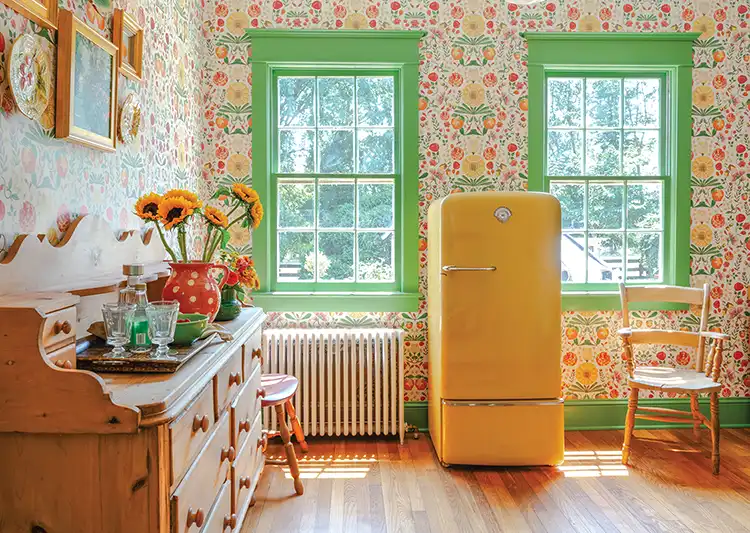
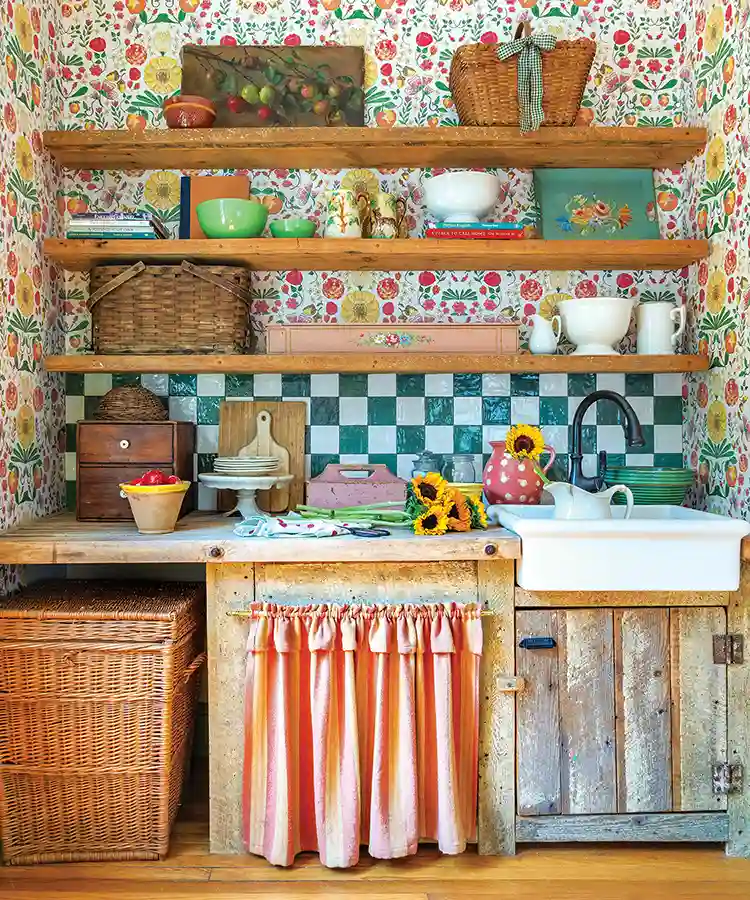
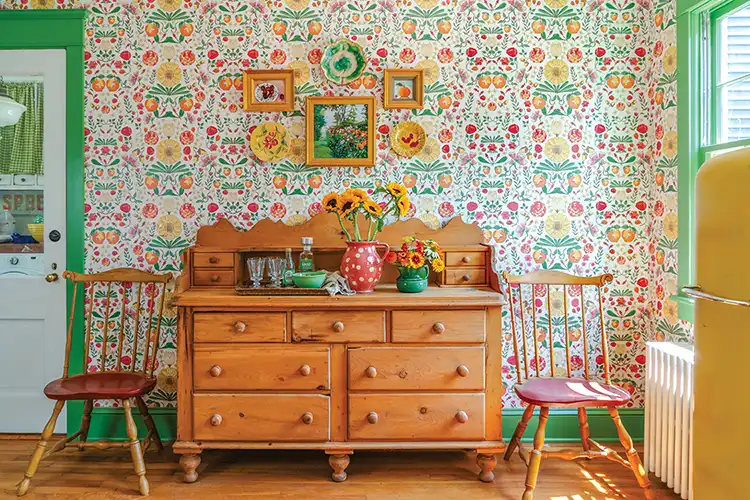
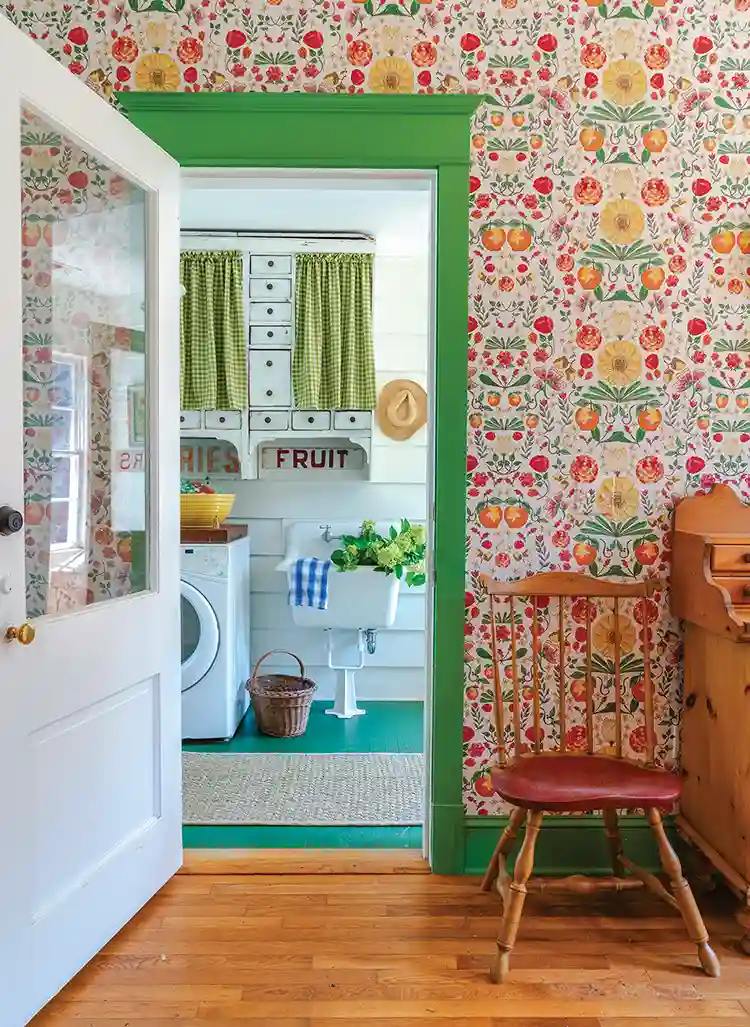
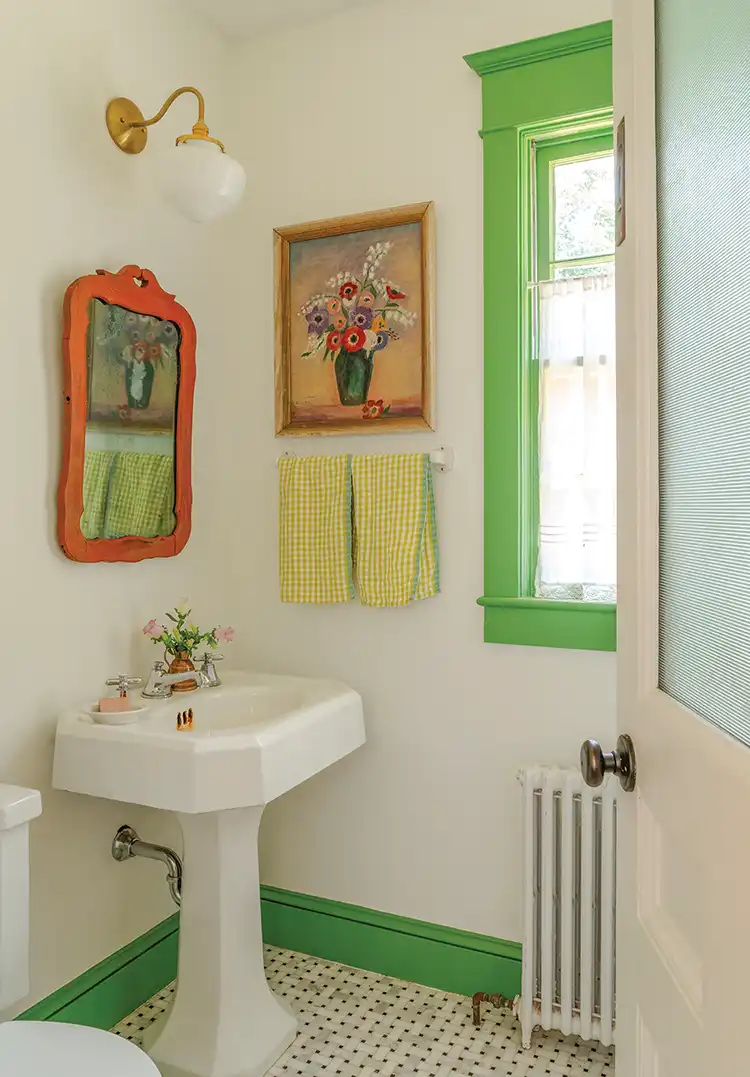
Once the house was habitable, it was time to ply Amy’s vintage-hunting and decorating skills to give the house the cozy, lived-in look she wanted. “I like to surround myself with objects I’ve found—antiques, vintage—that speak to me,” she says. “I love color and pattern and texture. When I decorate with antiques and mix patterns, it has a cozy timelessness to it.” Amy has always loved this eclectic, vintage-inspired cottage style, especially patterns and saturated colors. “I stick with what speaks to my heart, and certain colors always get me,” Amy says. “I don’t really follow trends with colors.”
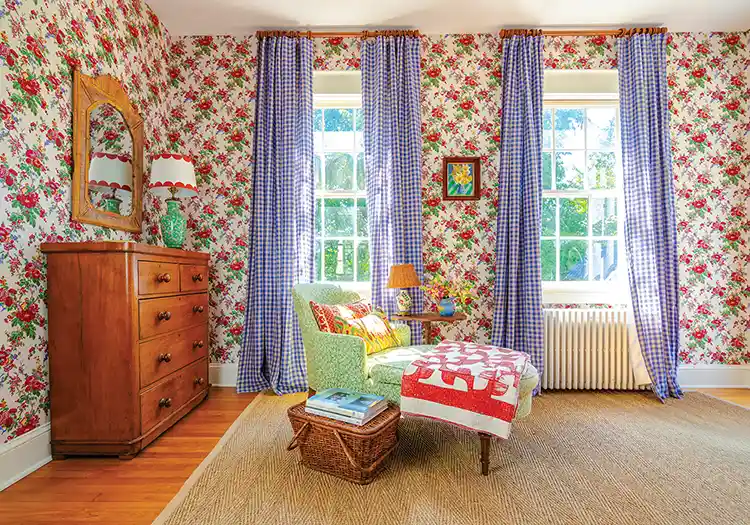
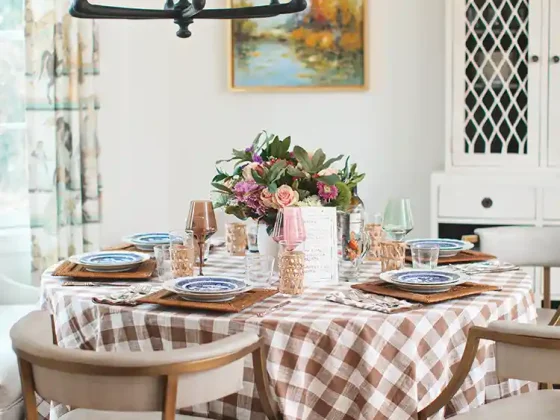
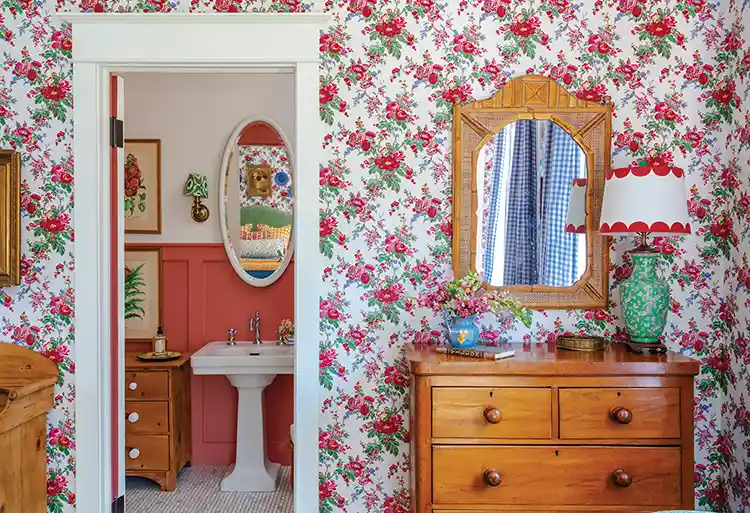
When it comes to the items in her house, Amy mixes new and vintage wares but tries to put in vintage whenever she can. From furniture and entertaining pieces to wallpaper and textiles, vintage is classic. “When I have a lot of textiles that are all gelling with each other, that’s when a room most speaks to me,” she says. Amy prefers to hunt vintage in person, especially for textiles. “It’s the thrill of the hunt,” she says. “It’s difficult to do online because often color doesn’t translate well over photos.”
With all her experience in renovating and decorating homes, you might wonder if Amy will get antsy and move on. But even after 12 years, she loves this house. “I liked a lot of the other houses I’ve done and would have stayed there, but life comes up,” she says. “With this one, I think I’ve found my forever home.”
Pattern on Pattern
Ready to create beautiful pattern-on-pattern designs? Take these tips from homeowner and designer Amy Whyte.
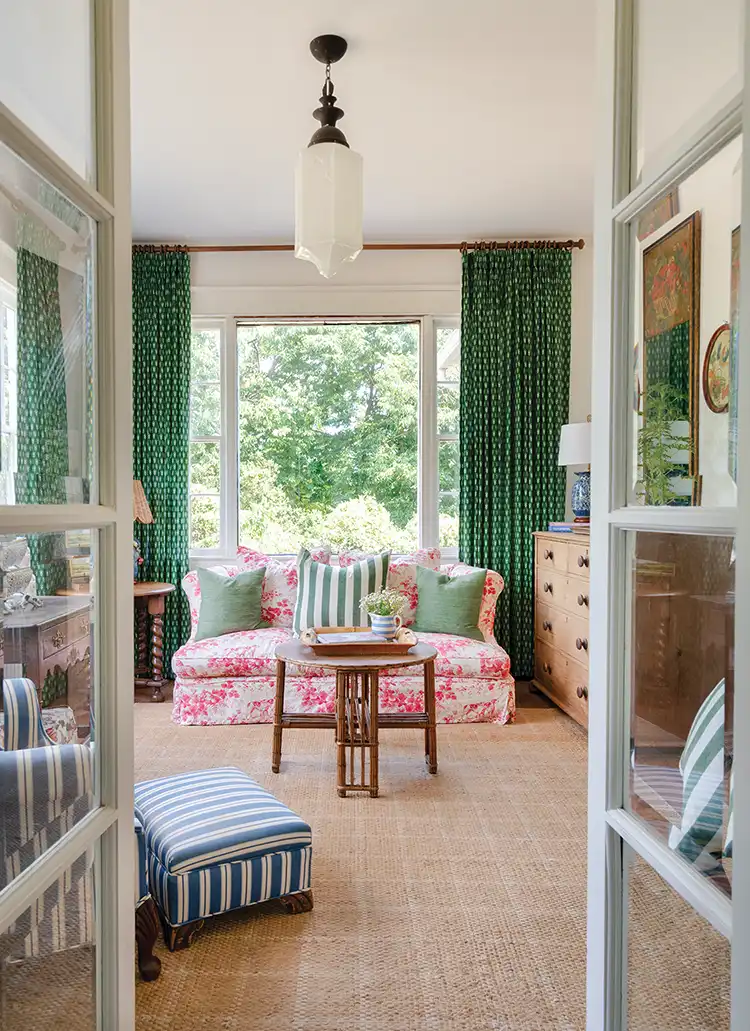
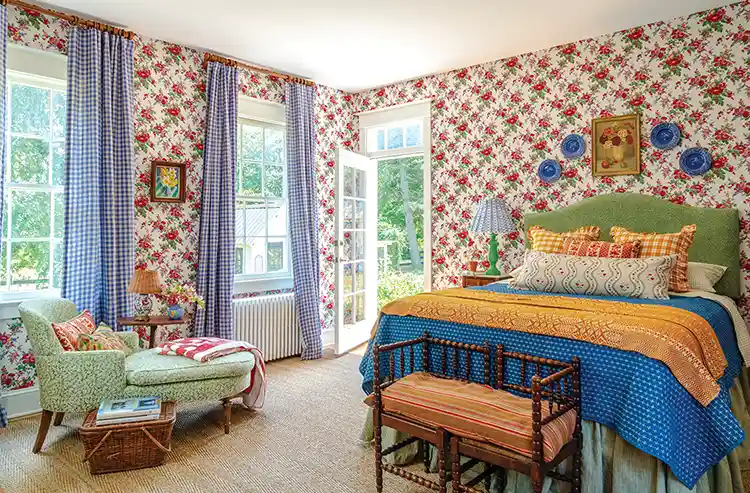
- Start with a jumping point. Find a textile or wallpaper you love and start there. “Pull from the colors of one piece, like a fabric, as a jumping point,” Amy says. This might mean the piece has two, or sometimes more, main colors.
- Vary. Next, vary your other pattern choices to pull out different color hues from the original piece. “Have other pieces that pull one or two
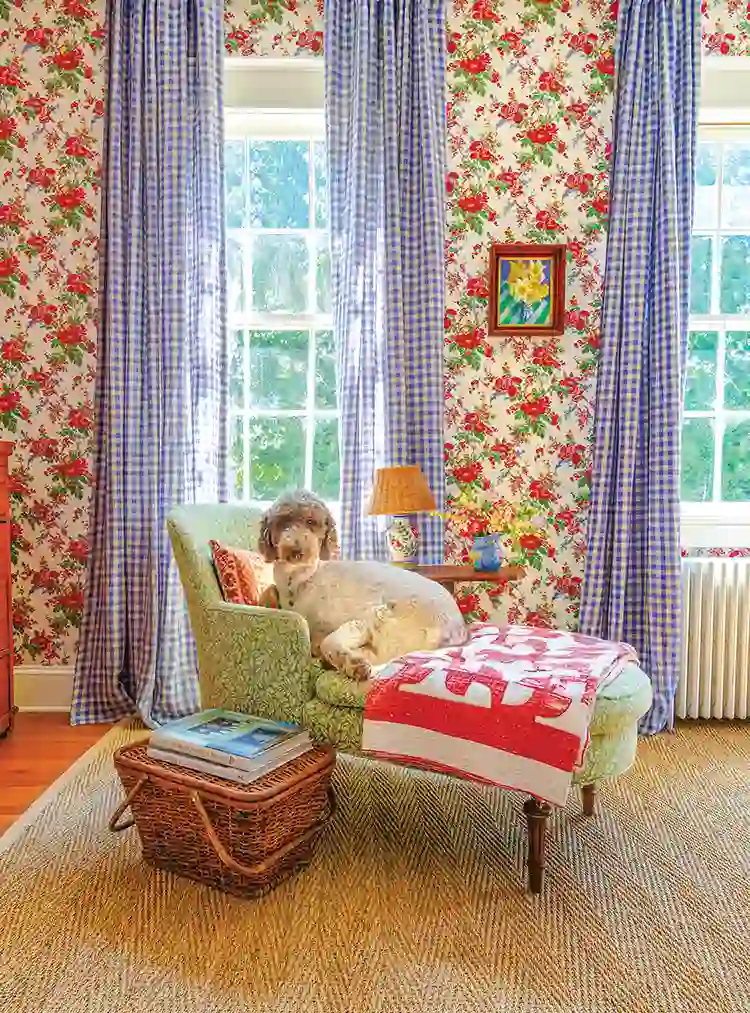
colors in,” Amy says. For example, in her guest bedroom, Amy found a vintage 1980s floral wallpaper as the focal point, then used other elements, like the bedding, chaise lounge, curtains and even adjoining bathroom, to accentuate the different hues in the original wallpaper. - Diversify scale and pattern. “Vary the scale and type of pattern too,” Amy advises. “I like a large floral with a tiny floral and then a check and a stripe. Usually it’s a floral that’s your tie-in piece.”
- Be patient. Especially if you’re working with a vintage vibe like Amy, don’t worry if it takes you a while to curate a room. “Rooms in my house have taken me years to curate, especially with vintage textiles,” she says. “You must come across those fabrics in your travels. A lot of my cupboards have stashes of textiles in them.”
Wallpaper Wonders
A key element for Amy is her use of wallpapers. Here are her tips for choosing the right ones.
Feel inspired. Just like everything else in décor, it all boils down to what you really love. “Go with your gut,” Amy says. “Try not to overthink it. Choose papers that speak to you. The ones you keep going back to? You keep going back to them for a reason.”
Buy samples. You ideally won’t buy wallpaper without living with a sample for a while. “Wallpaper is a huge investment and time to install,” Amy says. “I get a lot of swatches and hang them up on the wall, then I sit with them up on the wall for sometimes months. I want to see how the light plays in the room.” This is also the ideal time to see how the wallpaper will go with other elements you’ve collected or already have in the room. “Create a little storyboard,” Amy says.
Hang the paper. Once you buy it, you can either have it professionally installed or do it yourself. Amy has chosen the latter. “You can learn a lot on YouTube; I’m self-taught,” she says. “I started with one wall; I picked a wall that didn’t have any doorways or windows so I didn’t have to do any cuts. And I was surprised—it was easier than I thought.”
Follow Amy on Instagram @amycwhyte.